Is Your Loved One With Parkinson’s Sedentary? What To Do (And Not Do) to Get Them Moving

Family members who call me asking about our programs often say their loved one “sits all day.” With PD, you cannot do this. Your health will decline rapidly, and your symptoms will progress faster if you sit for long periods watching TV, using the computer, or reading.

Continue reading “Is Your Loved One With Parkinson’s Sedentary? What To Do (And Not Do) to Get Them Moving”

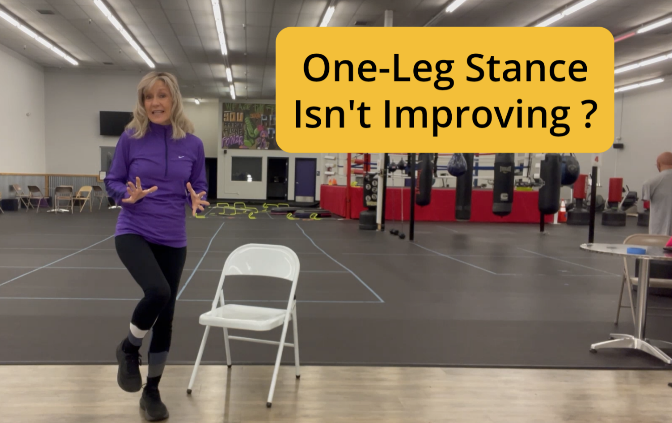
Is Your Balance Affecting Your Proprioception? Do This Exercise To Help

Parkinson’s disease can greatly affect your proprioception, which is your body’s ability to sense its position and movement in space without relying on sight. This awareness of your body in space is crucial for balance, coordination, and performing everyday tasks. The sensory receptors in your muscles, tendons, and joints send information to your brain. Your brain also relies on your eyes and ears to help orient your position. 

Continue reading “Is Your Balance Affecting Your Proprioception? Do This Exercise To Help”

You Must Do This Every Day if You Have Body Pain With Parkinson’s

Cramping muscles from Parkinson’s is usually related to a neuromuscular problem versus an electrolyte imbalance. Therefore, you’ll need to address the muscles and connective tissue directly.

Continue reading “You Must Do This Every Day if You Have Body Pain With Parkinson’s”

Are the “Terrible Toos” Keeping You From Slowing Down Your Parkinson’s? Here’s How To Combat Apathy

When the days get darker and shorter, we tend to become less active and sluggish. Apathy and isolation start to set in. Parkinson’s “Terrible Toos” happen when you let the disease dictate your thoughts, your level of energy, and your mood. You might even feel depressed.

Continue reading “Are the “Terrible Toos” Keeping You From Slowing Down Your Parkinson’s? Here’s How To Combat Apathy”