SEARCH OUR AMAZING LIBRARY
OF VIDEOS AND ARTICLES TO
HELP YOU MANAGE YOUR PARKINSON’S
Blog
Do These Leg Swing Exercises to Combat Parkinson’s Shuffling Gait
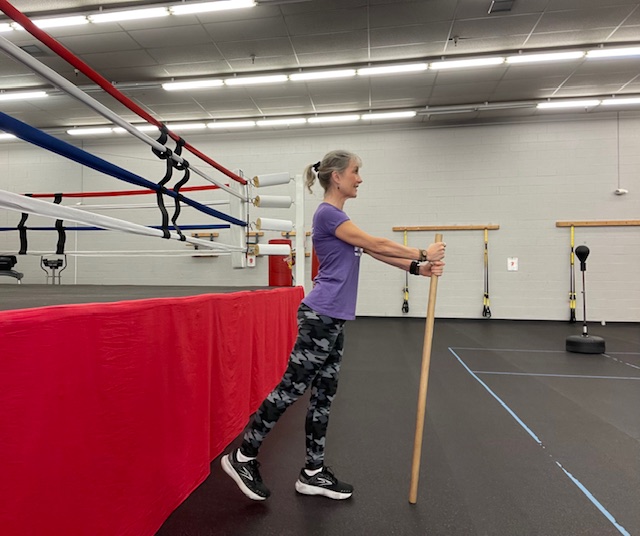
You know how you feel stiff and slow-moving sometimes? Do you find yourself taking small, shuffling steps in the morning, or maybe throughout the day? Even if you only periodically take small steps, you’re probably stiff in your hip joints. You must move your legs with full range to loosen that gummed-up joint.
Continue reading “Do These Leg Swing Exercises to Combat Parkinson’s Shuffling Gait”Do This Parkinson’s “Hitch Hiker” Exercise To Treat Shoulder Pain

Many people with Parkinson’s complain of shoulder pain or injury in addition to their stooped posture. It may seem like these are two different problems, but shoulder pain may be a symptom of dysfunction between the upper back and shoulder blades. If this dysfunction is ignored for too long, it can result in a rotator cuff tear.
Continue reading “Do This Parkinson’s “Hitch Hiker” Exercise To Treat Shoulder Pain”Be Sure to “Lube” up Your Hip Joints Daily if You Have Parkinson’s

Everyone with Parkinson’s will tell you how stiff and slow-moving they are in the morning. Why not take a few minutes to “lube” up those joints and muscles to help you get a better workout, or just make your day more enjoyable?
Continue reading “Be Sure to “Lube” up Your Hip Joints Daily if You Have Parkinson’s”Do This Sacral Rock-Back to Offset Parkinson’s Stiffness
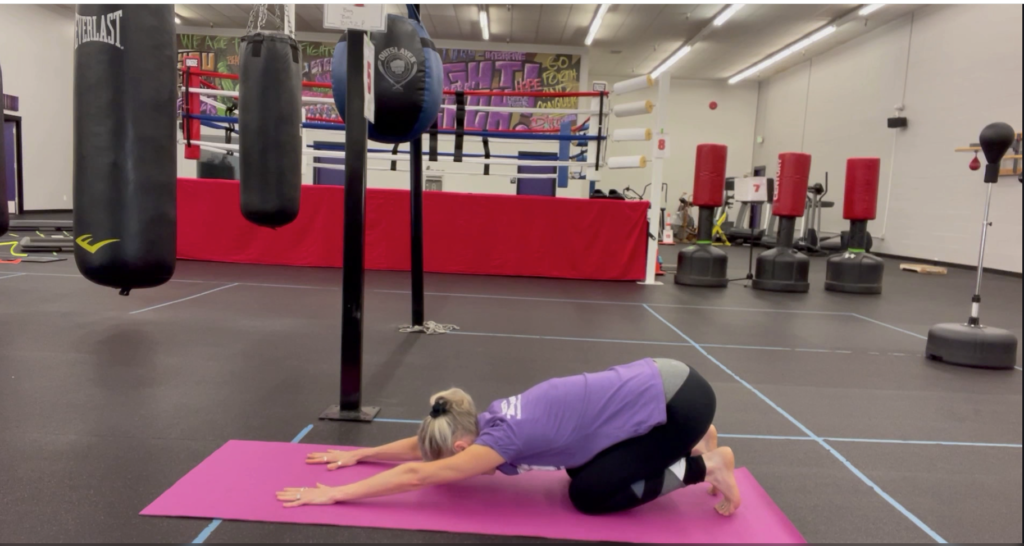
When I ask my fighters if they warm up their bodies at home before starting their day, I get a variety of answers ranging from, “I do yoga every morning,” to “I stretch a little before I get out of bed,” to “I don’t have time.”
Continue reading “Do This Sacral Rock-Back to Offset Parkinson’s Stiffness”The Easiest Way To Boost Your Brain Function and Energy if You Have Parkinson’s

The brain is approximately 85 percent water, and brain function—including the nervous system—depends on having abundant access to water.
The average person in the U.S. drinks less than a quart (32 ounces) of water a day. Yet, according to the Mayo Clinic, the average adult loses more than 80 ounces of water every day through sweating, breathing, and eliminating wastes.
If you are drinking less than 80 ounces of water a day, no wonder you have brain fog!
Continue reading “The Easiest Way To Boost Your Brain Function and Energy if You Have Parkinson’s”