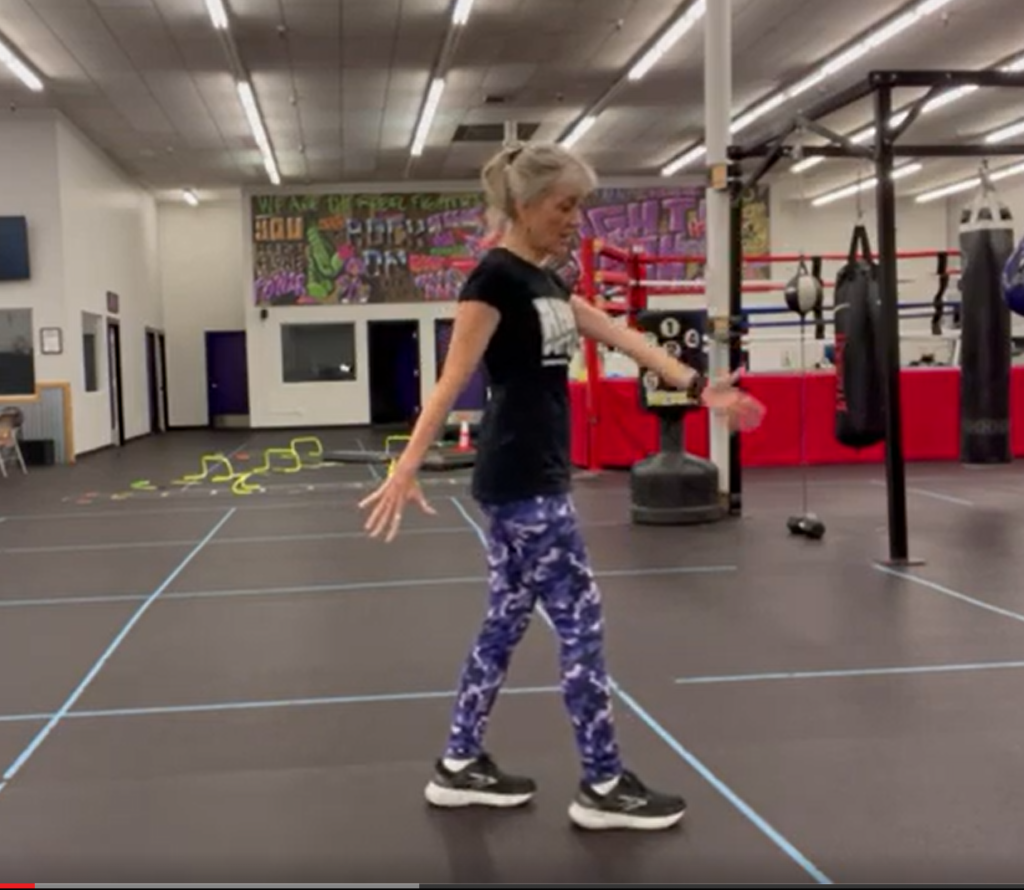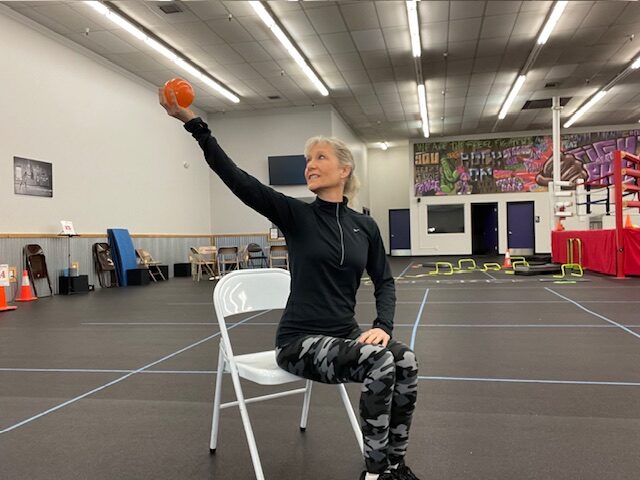
Try These Great Parkinson’s Eye Exercises To Improve Your Balance

People with Parkinson’s disease may have a variety of complaints related to their vision, such as trouble reading, double vision, and dry eyes. While these issues don’t affect every person with PD, it is important to know what the different issues are and that there are a variety of ways to treat them.

Continue reading “Try These Great Parkinson’s Eye Exercises To Improve Your Balance”

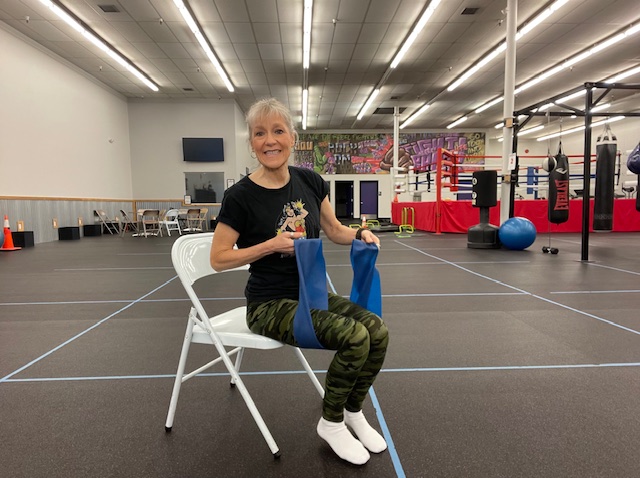
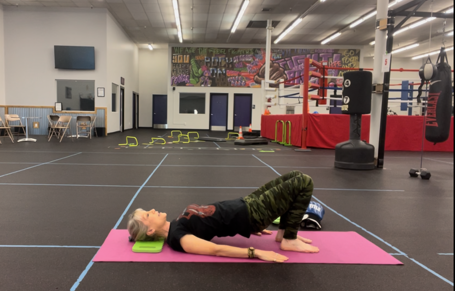
Do This Seated Glute Strengthener To Treat Parkinson’s Weak Hips

Strong glutes are vital for everyone, and especially if you have Parkinson’s. Your glutes are a very important muscle group for many reasons: they help balance your gait and stance, prevent falls, improve posture, and prevent back, hip, and knee problems. However, most of my private and group clients with back, hip, or knee pain couldn’t fire their glutes when we first started working together. This is very common!

Continue reading “Do This Seated Glute Strengthener To Treat Parkinson’s Weak Hips”

What Does It Really Take To Slow Down Parkinson’s Disease? Are You Doing It?

Instead of asking, “What is the bare minimum I must do to slow down the progression of Parkinson’s?” ask yourself: “What fun things can I do that will have the biggest impact?”

What if slowing your Parkinson’s included fun, learning, and making true friends who understand you and make you laugh? What if your coach felt like a friend who appreciates your challenges and celebrates your wins? Here at the Rebel Fit Club, you can feel stronger, faster, and more focused—almost as if during your time in class, you don’t have PD. As a coach, I hear this all the time. My fighters love attending class. It’s a safe place where they can be themselves.

Continue reading “What Does It Really Take To Slow Down Parkinson’s Disease? Are You Doing It?”

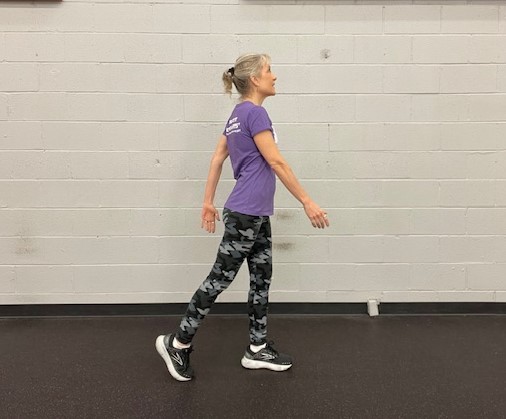
Do This Parkinson’s Toe Raise to Treat the Effects of Prolonged Sitting

Here is another great exercise to do while you are sitting in a car, on a plane, or just in front of the TV.  Often, people with Parkinson’s have a hard time picking up their toes and feet while walking. Instead, they shuffle along, which leads to falls. This is a neurological symptom, but the result of not picking up your toes is the weakening of the anterior tibialis muscle (located on your shin). If you don’t use it, you start to lose it.

The anterior tibialis helps you flex your ankle and lift your foot off the ground, which is critical to having proper gait. When this muscle gets weak due to Parkinson’s, it’s known as “foot drop,” and this can lead to catching your toes or falling.

Continue reading “Do This Parkinson’s Toe Raise to Treat the Effects of Prolonged Sitting”

Try These Simple Tips for Correcting Your Parkinson’s Seated Posture

When you think of things that might threaten your life, you probably don’t think, “sitting.” However, research shows that sitting too much is one of the biggest potential threats to our health.

We are sitting ourselves to death. We weren’t designed to sit as much as we do,” says James Levine, a professor of medicine at the Mayo Clinic. “The chair is out to kill us.”

One hour of exercise doesn’t negate long periods of sitting, especially with poor posture. Exercise is vital, but it doesn’t undo the damage done by extended periods of sitting.

Continue reading “Try These Simple Tips for Correcting Your Parkinson’s Seated Posture”