How To Use A Chair To Stretch Your Back While Gardening If You Have Parkinson’s

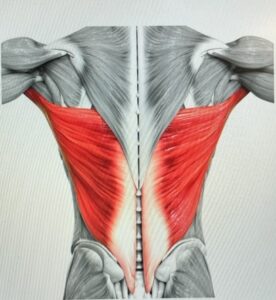
A major complaint from people with Parkinson’s is lower back pain. This is often the result of trying to twist a stiff, stooped upper back (a common symptom of Parkinson’s). When the upper back is stiff, the lower back takes over the rotation, which it’s not designed to do. The result is a painful or hurt lower back.

When you add activities that require a lot of twisting and bending, like gardening, you have a recipe for lower back pain that can last for days or weeks.

The key is setting up your garden area to avoid the temptation to work too long without taking an Extension Break.

Continue reading “How To Use A Chair To Stretch Your Back While Gardening If You Have Parkinson’s”

Do This Heart Exercise To Help With Parkinson’s Hand and Arm Agility

Hand and finger stiffness is a huge problem for people with Parkinson’s. It affects your daily tasks, making everything more difficult. Working on your hands daily is a must! If you can make it fun and see results, it’s really rewarding.

When I asked my class to form a heart with their hands for a picture, I noticed most of the class couldn’t get their fingers to respond. This happens for various reasons—stiffness in fingers and arms, lack of proprioception (knowing where your body is in space), or difficulty with the brain sequencing a task.

We often take the simplest tasks for granted. My fighters who have had PD longer, had the most trouble with this.

Continue reading “Do This Heart Exercise To Help With Parkinson’s Hand and Arm Agility”

10 Helpful Strategies for Parkinson’s Foggy Brain

Twice this week I’ve evaluated people who reported brain fog as being their most discouraging symptom of Parkinson’s disease. Both of the individuals were highly functional, had PD for less than 5 years, yet reported really struggling with the tasks that their work and hobbies required. One person said it was really scary and actually lead to them experiencing panic attacks.

Here are 10 simple, common sense tips that I recommend that my clients have found helpful:

Continue reading “10 Helpful Strategies for Parkinson’s Foggy Brain”

How To Strengthen and Stretch Stiff Parkinson’s Hands Using an Easy, Cheap Tool

Last week I showed you how to do myofascial release to help the stiffness caused by Parkinson’s. This week I want to show you how to use ordinary rubber bands to strengthen and stretch your hands.

There are many hand exercise products on the market. Some are squishy balls you grip, but for most people with Parkinson’s their hands are already in a flexed position. What you really need to do is EXTEND your hands.

The hand resistance tools you can buy are usually pretty hard to manage if you have a tremor and/or flexed, stiff hands. They are also very high resistance and can be really difficult for people with weak, sore hands to use. They also require you to fit your fingers in the tiny loops.

Continue reading “How To Strengthen and Stretch Stiff Parkinson’s Hands Using an Easy, Cheap Tool”

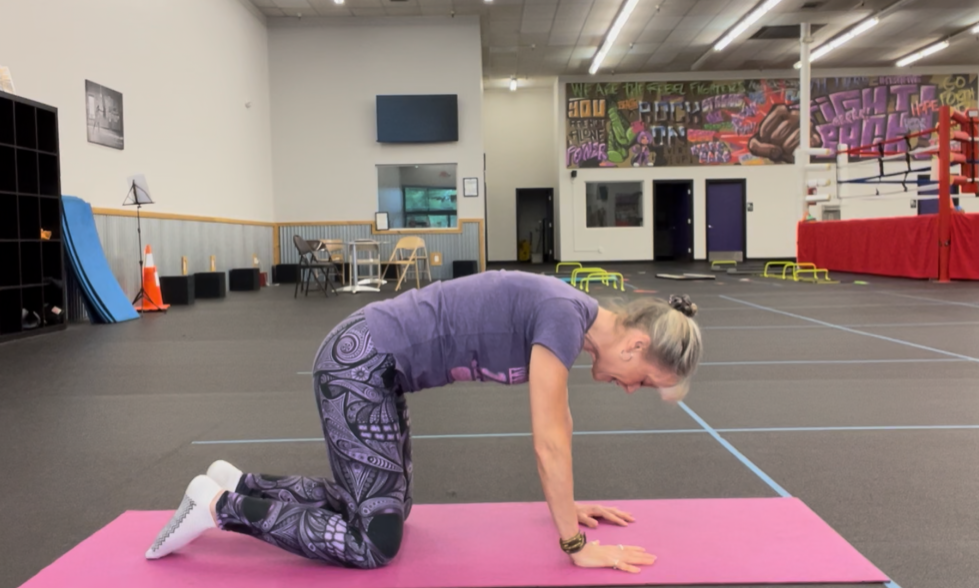
How People with Parkinson’s Can Do the “Thread the Needle” Exercise Without Shoulder Pain

I see this exercise done incorrectly all the time! People with Parkinson’s that are stiff often need to modify traditional exercises, and that stiffness can sometimes make stretching exercises dangerous. Seems like a double standard!

If you are flexible or mildly stiff, this popular exercise is safe. But if you have PD, you are most likely really stiff in your upper and lower back, rib area, and neck. Unfortunately, that makes this traditional exercise dangerous for your shoulder and neck.

If you are stiff, it’s common to overcompensate in another joint. In this case, it’s the shoulder and neck.

This “Thread the Needle” exercise stretches and opens your shoulders, chest, arms, upper back, and neck. It releases the stiffness in your upper back and between the shoulder blades.

Watch this video to learn how to perform the “Thread the Needle” exercise properly:

Continue reading “How People with Parkinson’s Can Do the “Thread the Needle” Exercise Without Shoulder Pain”