Are You Doing Everything You Can to Improve Your Balance? We’ll Show You How!

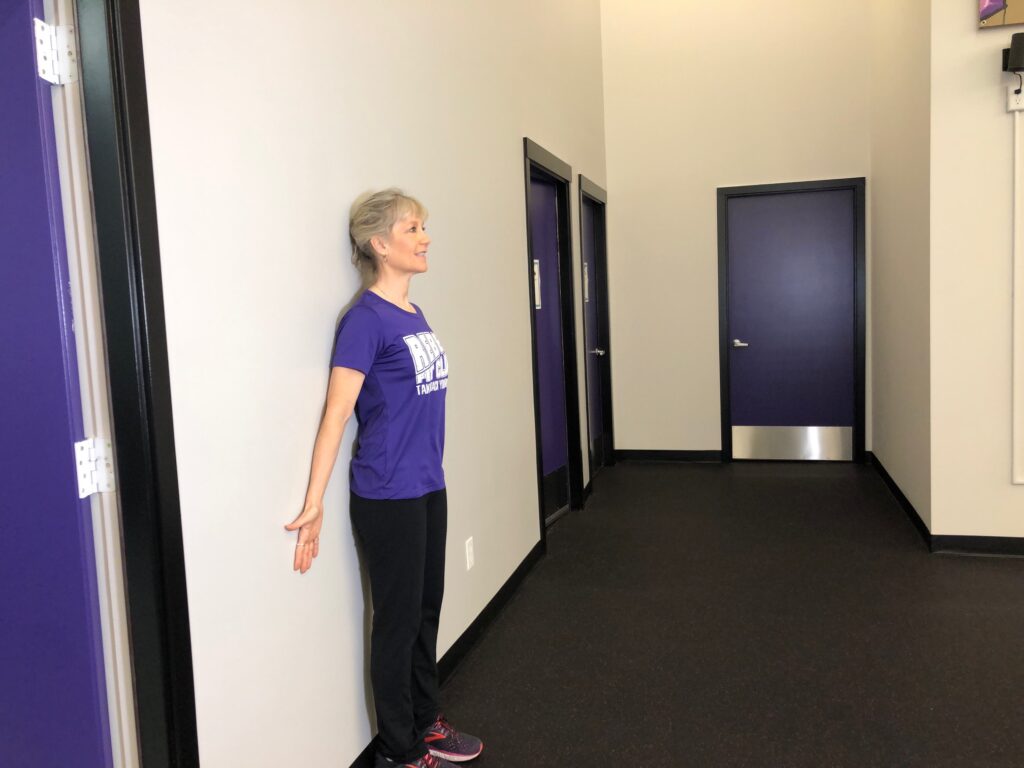
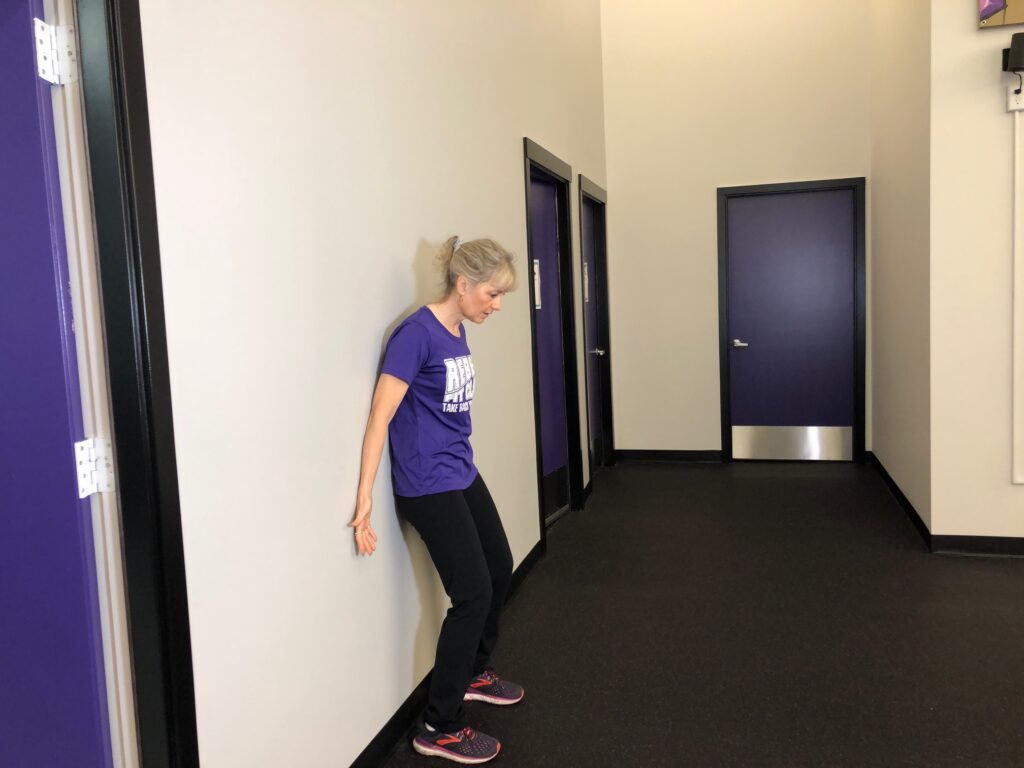
Are you feeling like your balance is getting worse since the COVID quarantine started? You’re not the only one. Last month we were finally able to hold in- gym classes in Oregon for a few weeks, and the people who had not participated in our virtual classes the previous months had marked decline in their balance.

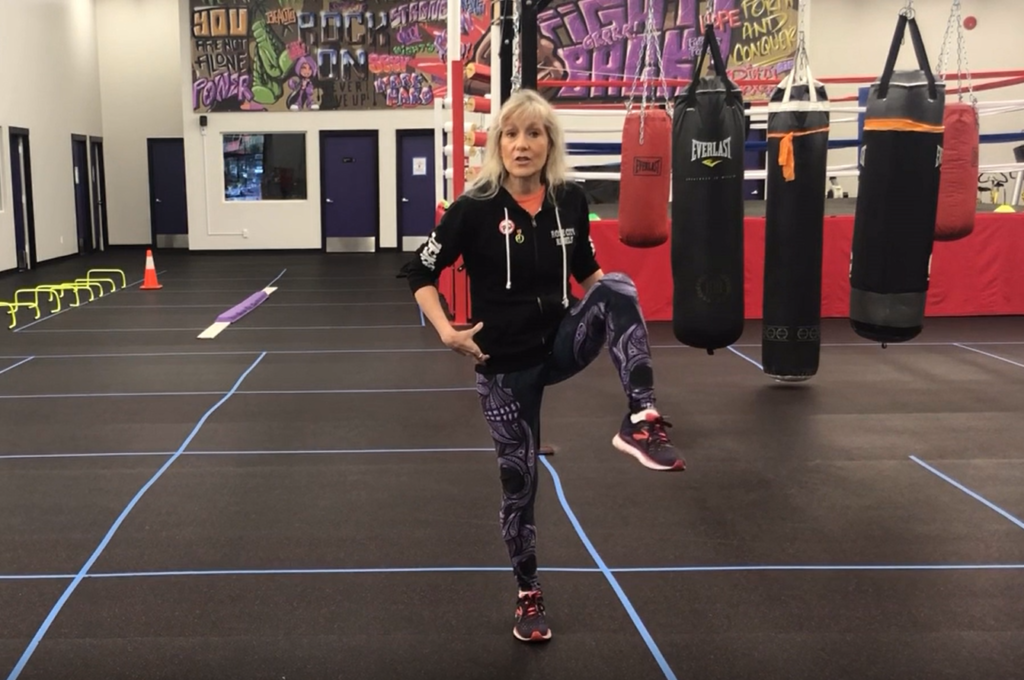
You should never neglect your balance training. Even professional athletes work on their balance every day. It is vital for your functional ability. A fall can have devastating consequences.

There are so many systems in our body that affect balance. In our live-virtual classes we address most of them. These include your eyes, ears, feet, nervous system, and power through your hips and core (to name a few).

Watch this video to learn how to address the strength and power of your hips to get up from a chair:

Continue reading “Are You Doing Everything You Can to Improve Your Balance? We’ll Show You How!”

Are “The Terrible TOOs” Keeping You From Slowing Down Your Parkinson’s Disease?

What do I mean by “The Terrible TOOs”? Well, it’s that time of year when people start hunkering down. The days are shorter and the weather isn’t favorable for outdoor activities. You’re probably busy with the upcoming holidays, and with Covid-19 numbers spiking again, there’s the added fear of going outside of the home.

This is the time of year when you should be planning your winter workout attack. How can you schedule your day so that you can get a great workout in? With Parkinson’s, you must work out or your disease will progress a lot quicker.

The Parkinson’s “Terrible Toos” happen when you let the disease dictate your thoughts, your level of energy, your mood. The tendency is to get depressed.

Continue reading “Are “The Terrible TOOs” Keeping You From Slowing Down Your Parkinson’s Disease?”

Quick Easy Leg Stretch So You Can Walk Better If You Have Parkinson’s

So many of my fighters have a terrible time stepping wide when walking sideways. Often, they step on their own feet when trying to step together again. Not only do they feel off balance, but their feet step wider than their upper legs, leaving their knees in a knocked-kneed position. This can cause pain, injury, and long-lasting knee problems.

Stretching out the inner thigh muscles and strengthening the gluteal muscle will help. Parkinson’s narrow stance causes the adductors or inner thigh muscles become very tight, making it then extremely hard to step wide.

The “helper muscle” is the glute maximus. This large, powerful muscle of the hip counteracts the inward pulling of the 5 adductor muscles.

Check out this video to see how to do this quick easy leg stretch so you can walk better:

Continue reading “Quick Easy Leg Stretch So You Can Walk Better If You Have Parkinson’s”

4 Great Extension Exercises Using Everyday Household Items To Really Help Parkinson’s Stiff Hands

Often people with Parkinson’s will ask me to help them strengthen their hands or to help them be able to grip better. The problem isn’t strength. The problem is that Parkinson’s is causing too much flexion (gripping position) and tightness making it harder to extend (straighten). If you can’t extend your fingers, you can’t bring them around items and hold them. It’s a common problem, so I created a series of videos to really help Parkinson’s stiff hands.

The tools in this article are everyday household items, so you can do these exercises daily. You will certainly notice a difference!

Here are the 4 Great Extension Exercises Using Everyday Household Items to Really Help Parkinson’s Stiff Hands:

  1. Place your hand flat, palm down on a table and extend fingers. Try to lift the fingers off the table together, then one at a time.
  1. Drape your hand, palm-down over a softball. Try to extend your fingers out and up.
  1. With your elbow on the table, drape your wrist (facing downward) over a can or water bottle and extend the hand upward. Do this both with the fingers extended and curled in a loose fist.
  1. Using a large roll of electrical or packaging tape (roll should be big enough to allow only the first knuckle of your finger to extend round it) place your hand over the roll. Curl fingers around it, and them extend them open.

Do each of these exercises 10 – 20 times on each hand daily. You can do these while you watch TV or anytime you are sitting at a table. Keep your hands moving, you need them!

  • 💜 Kimberly

4 Easy Techniques for People with Parkinson’s to Relieve Hand Stiffness

Many People with Parkinson’s Disease complain of stiffness and pain in their hands. This stiffness affects your everyday life, and the simplest tasks become difficult.

Years ago, I fell off a high ledge while hiking and snapped ligaments in my thumb. I hiked out a long way with a cold, wet bandana wrapped around it. I had to wear an immobilizing brace for 3 months, which resulted in my thumb being unable to move at all! Hand therapy and daily myofascial release enabled it to move again.

As you will see in the video below (scroll down), I have full range and function again. I never neglect my hand exercises, and neither should you!

All you will need to perform these 4 easy myofascial techniques to relieve your hand stiffness is a ball, a dowel, and a tabletop.

Continue reading “4 Easy Techniques for People with Parkinson’s to Relieve Hand Stiffness”