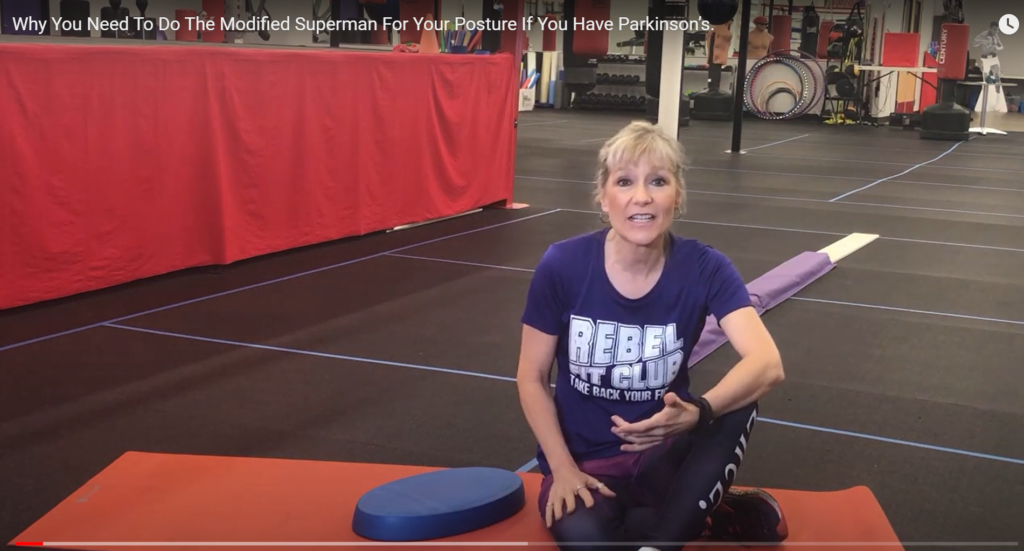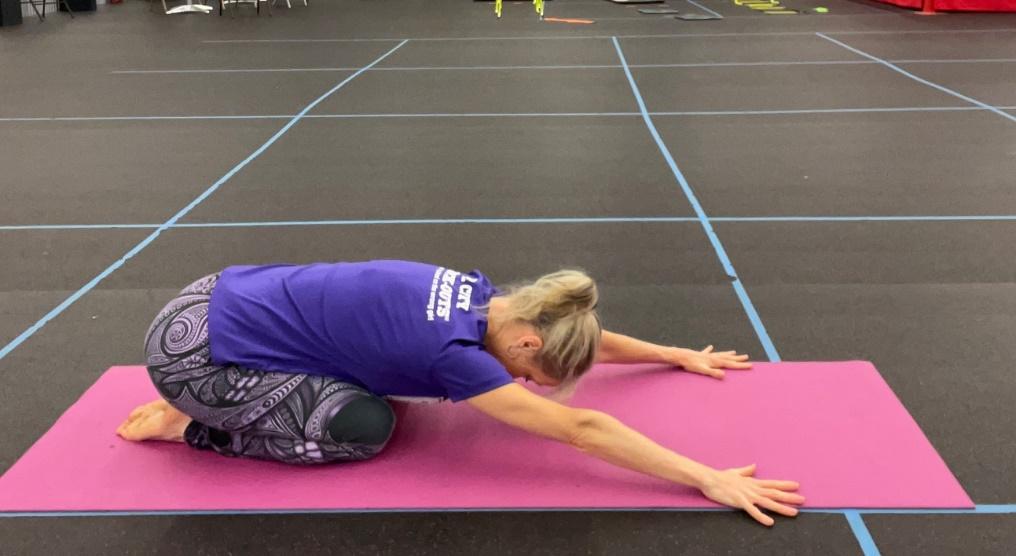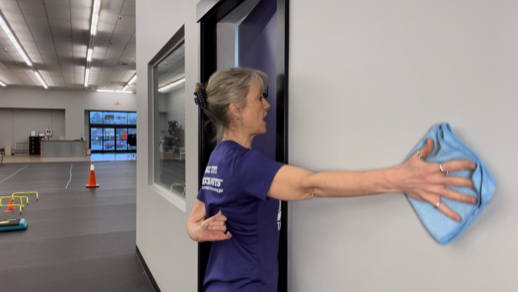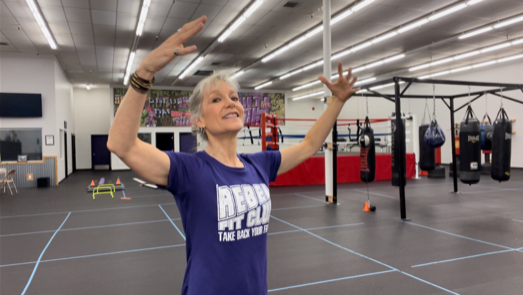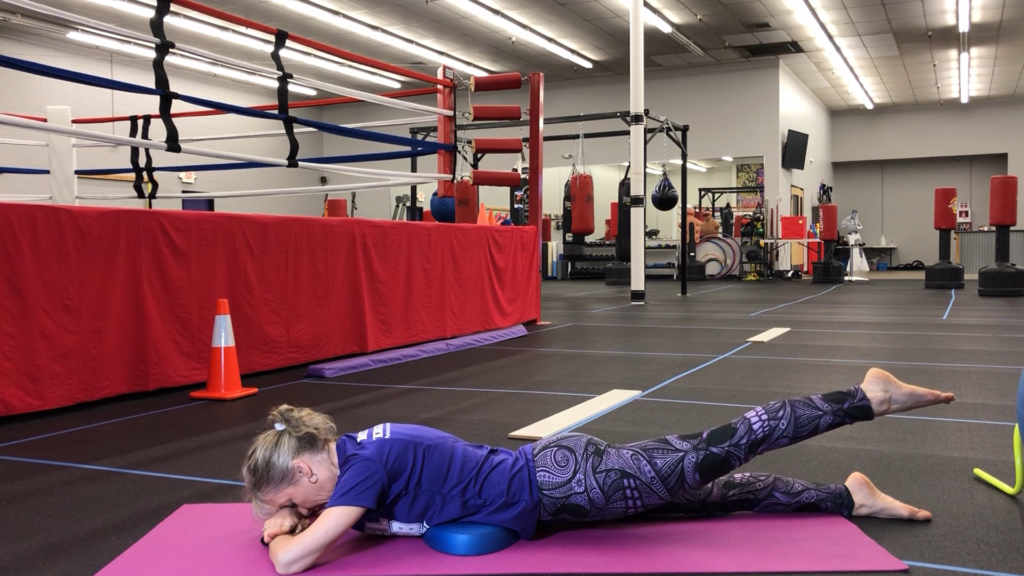
I’ve mentioned several times the rounded posture and tucked pelvis that often result from Parkinson’s disease. What can we do about it? We fight it with squats!!
Did you know that while you are humming to your favorite song, you are also improving the health of your nervous system? Research shows that humming is an incredibly powerful process for healing.
Anxiety is a common non-motor symptom of Parkinson’s, caused by changes in brain chemistry. Up to 40 percent of people with PD will experience some form of anxiety.
Anxiety can feel like general uneasiness or nervousness, or if it escalates, you may experience a sudden sense of severe physical and emotional distress. Fortunately, there are things you can do to manage these symptoms.
Anxiety is a common non-motor symptom of Parkinson’s. Anxiety can be something you’ve struggled with your whole life, due to a traumatic event or changes in brain chemistry due to Parkinson’s. Up to 40 percent of people with PD will experience some form of anxiety.
The good news is there are several great, actionable ways to get out of fight-or-flight mode (sympathetic nervous system) and to a calmer place (parasympathetic nervous system). Bilateral Stimulation is a technique used in different forms to ease anxiety, PTSD, and other stress-related disorders, including social anxiety.
Anxiety is a common non-motor symptom of Parkinson’s. Anxiety is not just a reaction to the diagnosis of Parkinson’s, but instead, a part of the disease itself, caused by changes in brain chemistry. Up to 40 percent of people with PD will experience some form of anxiety.