fbpx

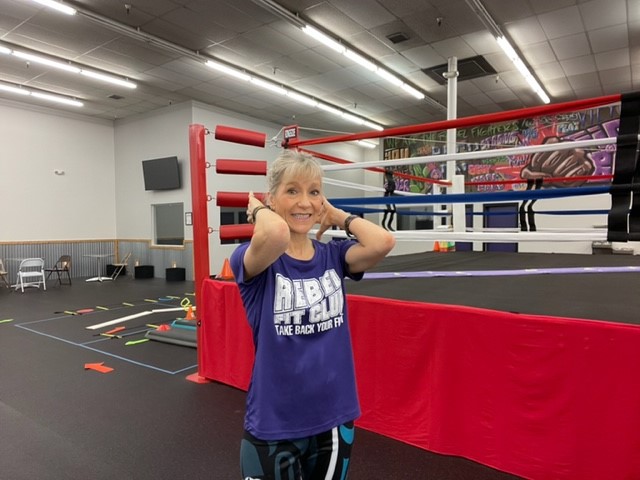
Try This Warm-up Technique To Treat Parkinson’s Painful Stiff Hands

Have you noticed your hands becoming stiffer and less reactive when you try to move them? You need to exercise your hands like you do the rest of your body. Whether you have Parkinson’s or arthritis, if your hands become stiff, every task takes longer, and it really affects your quality of life.

Continue reading “Try This Warm-up Technique To Treat Parkinson’s Painful Stiff Hands”

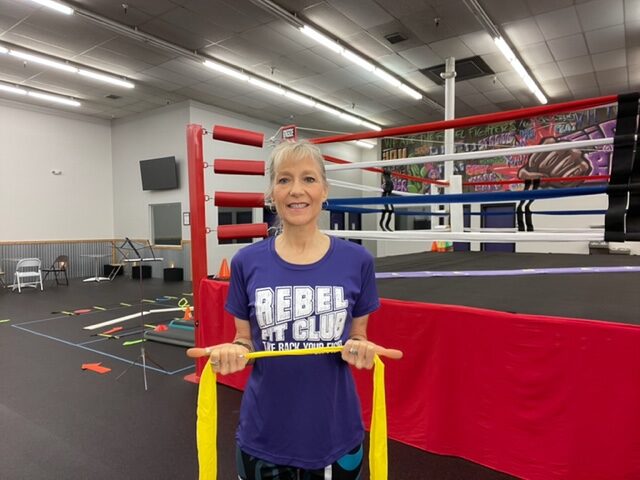
Parkinson’s Stooped Posture Causing You Pain? Retract Those Shoulder Blades!

The muscles of the upper back, along with the action of the shoulder blades, are very important to posture and the stabilization of the shoulders. Poor posture associated with Parkinson’s disease often creates tight chest muscles and weak back muscles, which can lead to pain in your shoulders.

Your shoulder blades should “glide and float” on your rib cage. If you have a stooped posture, your shoulder blades can’t sit or glide normally on the ribs. Your chest muscles become tight and pull the shoulders and arm forward, causing pain and complications with the rotator cuff muscles.

Continue reading “Parkinson’s Stooped Posture Causing You Pain? Retract Those Shoulder Blades!”

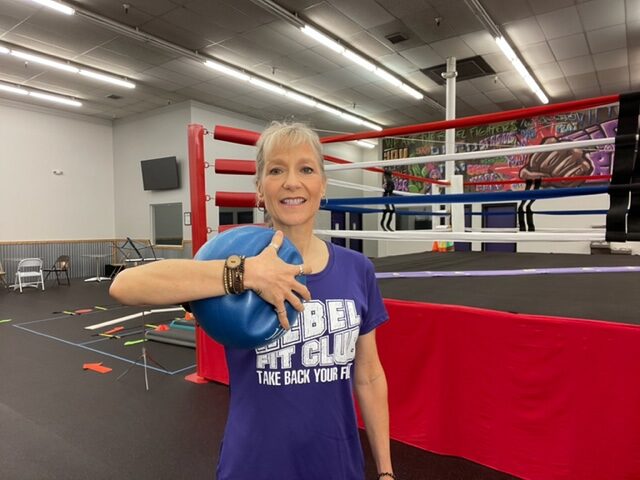
Treat Parkinson’s Stooped Posture with Ball-Assisted Scapular Glides

People with Parkinson’s often struggle with stooped posture and shoulder pain. It may seem like these are two different problems, but your shoulder pain may be just a symptom of dysfunction of the upper back and shoulder blade relationship. If this dysfunction is ignored for too long, it can result in a rotator cuff tear.

The muscles of the upper back, along with the shoulder blade action, are very important to posture and the stabilization of the shoulder. Your shoulder blades should “glide and float” on your rib cage. If you have a stooped posture, your shoulder blades can’t sit or glide normally on the ribs. Poor posture associated with Parkinson’s disease often creates tight chest muscles and weak back muscles, which affects this delicate balance.

Continue reading “Treat Parkinson’s Stooped Posture with Ball-Assisted Scapular Glides”
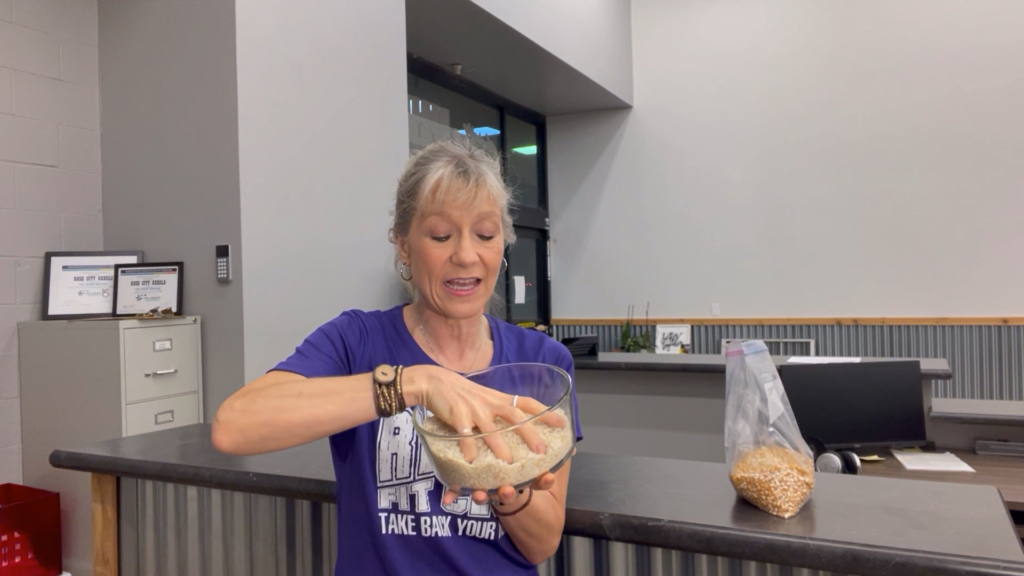
Parkinson’s Stooped Posture Causing You Pain? Get your Shoulder Blades Gliding!

Many people with Parkinson’s complain of shoulder pain in addition to their stooped posture. It may seem like these are two different problems, but your shoulder pain may be just a symptom of dysfunction of the upper back and shoulder blade relationship. If this dysfunction is ignored for too long, it can result in a rotator cuff tear.

Your shoulder blades should “glide and float” on your rib cage. If you have a stooped posture, your shoulder blades can’t sit or glide normally on the ribs. Your chest muscles become tight and pull the shoulders and arm forward, creating shoulder pain and complications with the rotator cuff muscles.

Continue reading “Parkinson’s Stooped Posture Causing You Pain? Get your Shoulder Blades Gliding!”

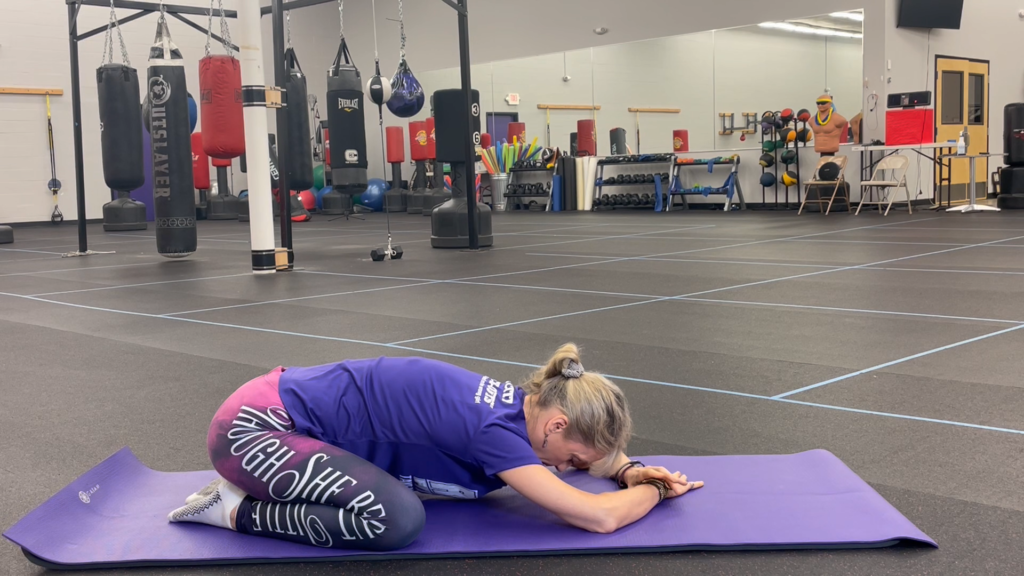
Why the Wide-knee Child’s Pose Helps Parkinson’s Tight Hips

Most people, with or without Parkinson’s, have really tight and maybe even painful hips and lower backs.

Muscles and soft tissue can become “boggy” around these joints and the surrounding areas, making our lower backs and hips painful when we’re trying to sit or walk. I will show you how to do a simple Child’s Pose going into a Modified Frog Pose to help loosen up your hip joints and release your tight muscles.

Continue reading “Why the Wide-knee Child’s Pose Helps Parkinson’s Tight Hips”