fbpx

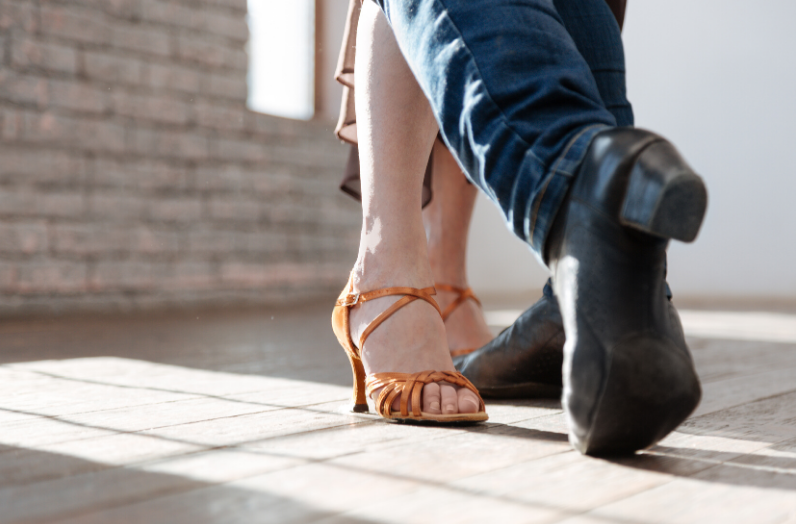
The Benefits of Argentine Tango for People with Parkinson’s

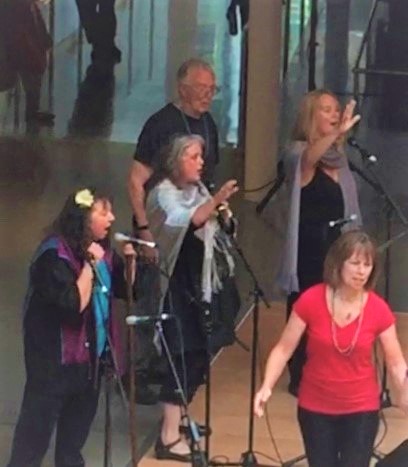
As you may already know, I am a huge advocate of rhythm and dance for improving many of the symptoms of Parkinson’s disease. I feel so strongly about it that I built a dance studio in my boxing gym so that my students could address their symptoms in every proven effective way. We even have the PD Rebel Performance Project, a performing dance, drumming and singing company to encourage those who want to share their gifts (some from the past and some newly learned) with the world.  

A variety of studies show mounting evidence that music and dance have positive effects on Parkinson’s symptoms (both motor and non-motor). There is also a strong connection between music and the dopamine systems in the brain.

Continue reading “The Benefits of Argentine Tango for People with Parkinson’s”
Moving Right is the Key to Pain-Free with PD

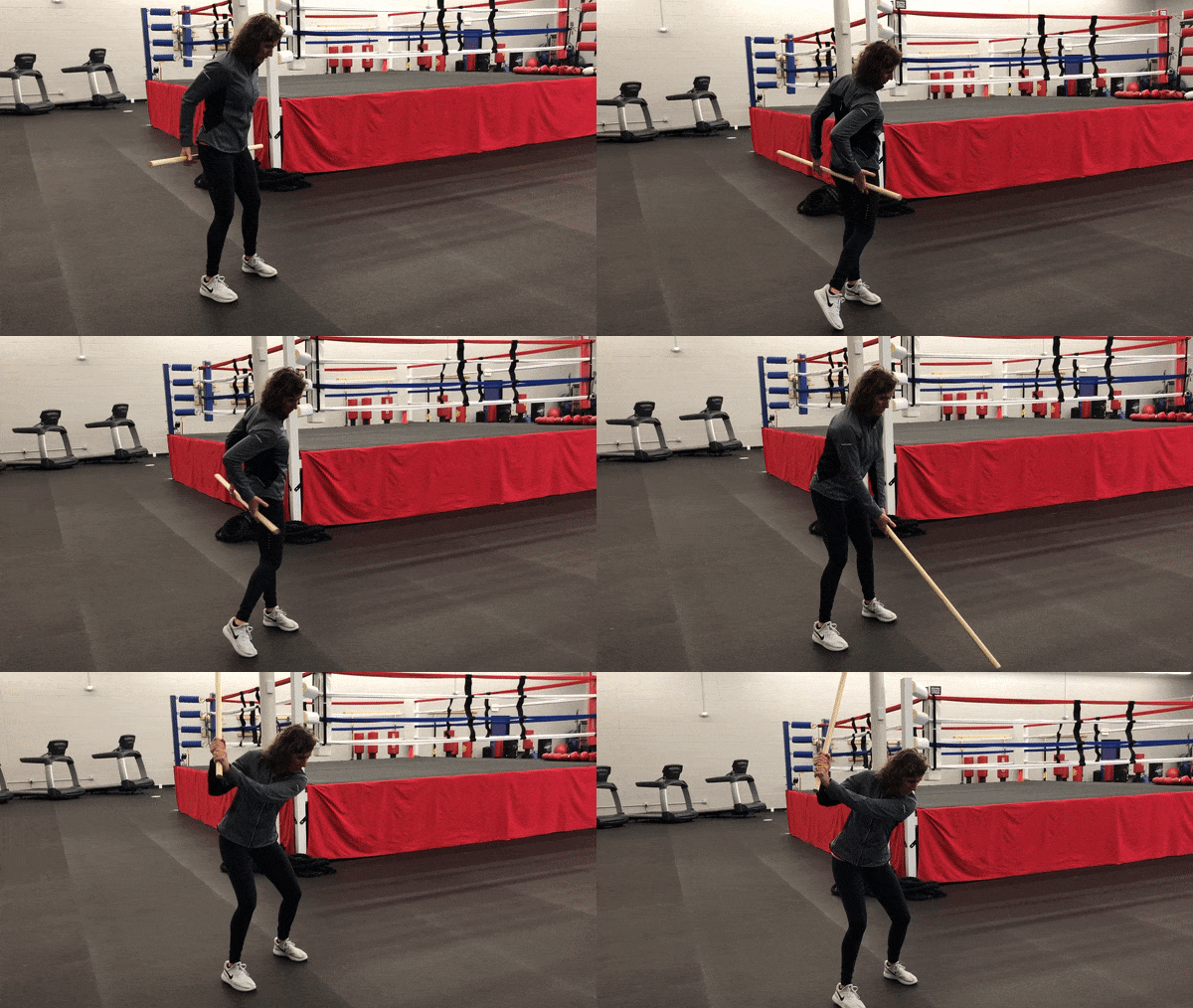
It’s always fun having my long-time colleagues in the Rebel Fit Club. I respect their knowledge and experience so much. Like myself, they are convinced that people need to move correctly to get out of pain, regardless of Parkinson’s. My friend Connie Bear (a Titlist Performance Institute Certified Trainer) came to the gym to train one of my fighters. Calling her a “trainer” isn’t doing her experience and expertise justice. Connie is a biomechanical corrective movement therapist.

What she does is not limited to golf… it’s about moving right. Like my own clients, Connie’s clients start with her because they have pain and their quality of life has diminished. Our clients stay with us (some for over 20 years now) because we keep them pain free and they are able to continue traveling and enjoying life.

You’re probably thinking, “I exercise to get my heart rate up, and I lift weights… I’m good.” That is good. However, if you aren’t moving correctly, all of the exercise in the world isn’t going to take away that pain or relieve those tight muscles. If your hips aren’t balanced/flexors tights/glutes weak or not firing, then you have a movement issue and the pain will continue until you get this corrected through retraining.

Continue reading “Moving Right is the Key to Pain-Free with PD”

Tips for Brain Fog and Parkinson’s

In my blog post last week I shared practical, action-based strategies for helping with Parkinson’s brain fog. I received a lot of positive feedback from people who tried those tips. Now I would like to dive into some nutritional tips. I want you to know that one of the simplest ways to combat brain fog (regardless of whether you have Parkinson’s or not) is HYDRATION!

That’s right! You’ve heard me talk about water before and all of its health benefits. Water helps with everything from maintaining healthy blood pressure to being able to Poo daily. 💩

Continue reading “Tips for Brain Fog and Parkinson’s”

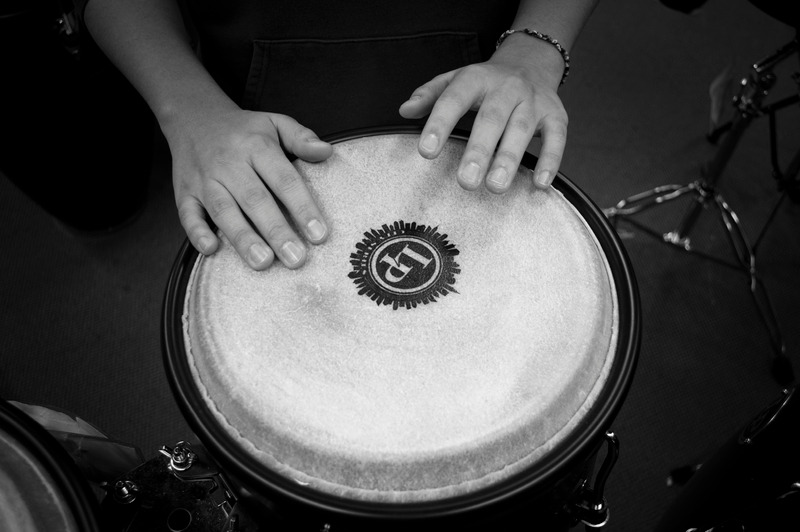
10 Reasons Why Drumming is Good for People with Parkinson’s

Recently a group of trainers asked me, “Kimberly, how do you implement self-care in your own life?” I must admit that running a very full business with many exciting events happening on an ongoing basis, the mental stress can take a toll on my body. However, it didn’t take me long to think of my answer to their question: my drum! Most of the time I like to be with my beautiful Parkinson’s drumming circle. Sometimes I need time alone to dance or drum. It’s my happy place.

Drumming and drum circles are currently being used as therapy for people with brain injuries, Parkinson’s disease, physical injuries, arthritis, cancer, Autism, PTSD, addictions, and more. Studies have found numerous health benefits from drumming.

Continue reading “10 Reasons Why Drumming is Good for People with Parkinson’s”

If You Have Parkinson’s, Do You Know How to Save Your Voice?

It’s a well-known fact that Parkinson’s disease can affect the voice. One of the secondary motor symptoms that people with PD may experience is a change in speech, or speech difficulty. It can cause significant communication problems, reduced social interactions and isolation. However, not everyone with PD will have changes in their speech.

There are several ways PD may affect speech:

Continue reading “If You Have Parkinson’s, Do You Know How to Save Your Voice?”