Parkinson’s Workout Mistakes: Why Your Brain Needs a New Training Plan

Training for Parkinson’s (and overall brain health) works best when it’s functional and varied. That means practicing movements your body actually uses in daily life—standing up from a chair, turning, reaching, walking while looking around, carrying objects, and changing directions. Functional training helps the brain and body communicate more effectively, improving balance, coordination, and confidence in real-world situations.

Continue reading “Parkinson’s Workout Mistakes: Why Your Brain Needs a New Training Plan”

Are You Being Told Your Glutes Are Weak? What People With Parkinson’s Should Know

In my Balance Builders course, it’s clear to my students that Parkinson’s really affects what they want to do with their bodies when they’re trying to execute a particular drill. Balance is a complex process that relies on many systems working together in the body to regain special awareness or proprioception.

Continue reading “Are You Being Told Your Glutes Are Weak? What People With Parkinson’s Should Know”

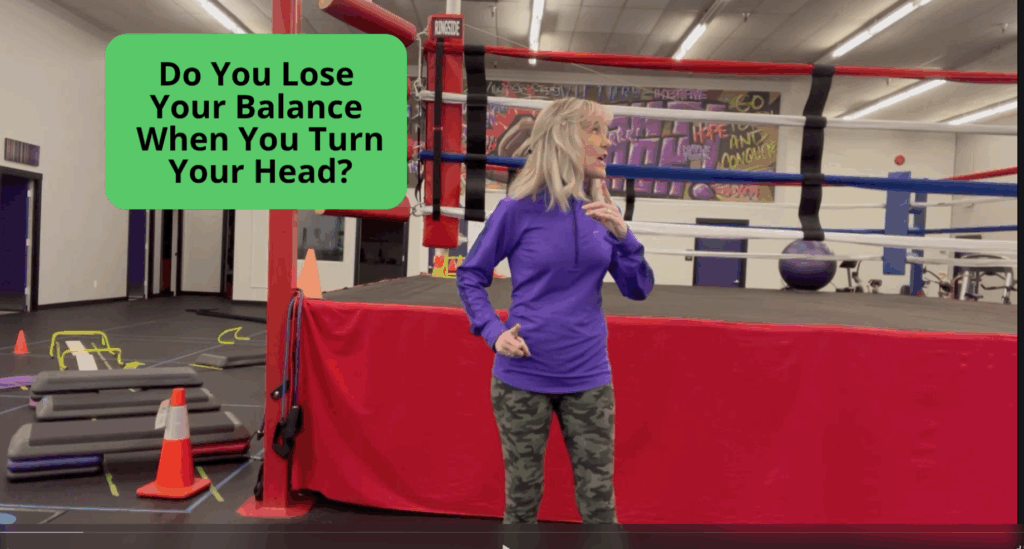
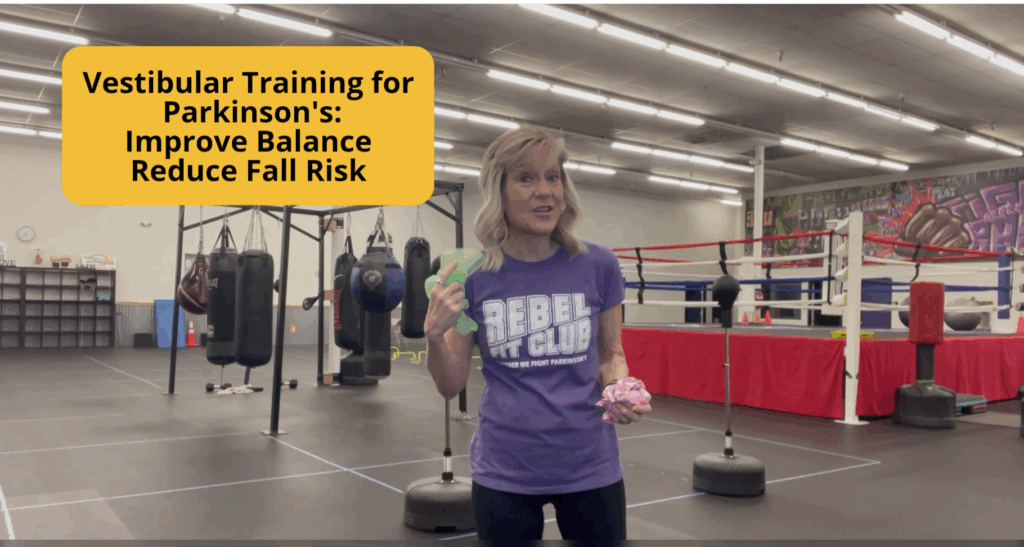
Improve Walking Balance With Parkinson’s Eye & Head Exercises

Balance is a complex process that relies on many systems working together in the body. When we walk, we naturally turn our head and use our eyes and ears to understand where we are in space—this awareness is called proprioception.

Continue reading “Improve Walking Balance With Parkinson’s Eye & Head Exercises”

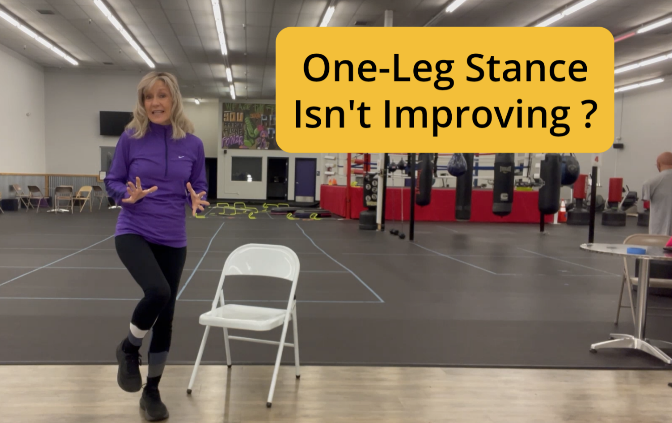
Working on Your Balance but It’s Not Improving? Add This if You Have Parkinson’s

If you have Parkinson’s you know the detrimental effects of falling. Balance issues can severely impact your quality of life, and a bad fall can be devastating.

Continue reading “Working on Your Balance but It’s Not Improving? Add This if You Have Parkinson’s”

Can’t Get Back To Sleep? Do This Eye Exercise To Help if You Have Parkinson’s

Parkinson’s disease causes various sleep problems, including insomnia (difficulty staying asleep), excessive daytime sleepiness (EDS), REM Sleep Behavior Disorder (acting out dreams), sleep apnea, Restless Leg Syndrome (RLS), and frequent nighttime urination (nocturia). Parkinson’s affects the sleep-wake centers of the brain, and medications like Levodopa can cause vivid dreams. These factors can significantly impact quality of life, including cognitive issues. 

Continue reading “Can’t Get Back To Sleep? Do This Eye Exercise To Help if You Have Parkinson’s”