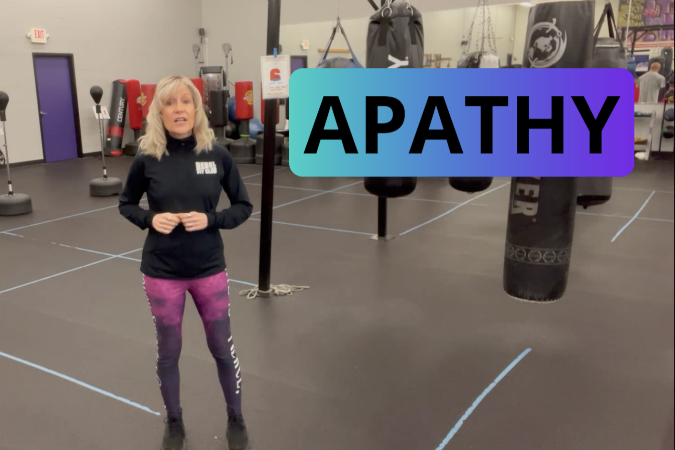
Living with Parkinson’s disease presents daily challenges that extend beyond movement. While tremors and stiffness are the most visible symptoms, non-motor symptoms, especially apathy, can be just as impactful—or even more so. Addressing both requires a thoughtful approach that blends focused exercise, active learning, and strong social connection.
Apathy is one of the most common non-motor symptoms of Parkinson’s disease, affecting up to 60 percent of individuals as Parkinson’s progresses. It is not laziness or a lack of willpower, but a neurological “disorder of motivation.” Caused largely by dopamine depletion, apathy reduces a person’s drive and interest in activities they once enjoyed. They also may show reduced emotions or need constant encouragement to complete simple tasks.
Apathy is different from depression. Depression is marked by sadness, guilt, or worry. Apathy often presents as emotional neutrality; people lack the motivation to engage. This difference matters, because it helps us design a treatment plan for those living with Parkinson’s apathy.
This is where specialized exercise becomes especially powerful. It’s not just about getting in shape; exercise also helps stimulate dopamine pathways and activate the brain’s motivation circuits. When exercise includes learning components, such as choreographed movement, boxing combinations, or patterned stepping, it engages the cognitive systems tied to attention, sequencing, and reward. We are not just moving when we exercise—we are also practicing initiation, decision-making, and follow-through.
Equally vital is camaraderie. Group exercise provides encouragement, accountability, and a shared sense of enjoyment and engagement. For someone experiencing apathy, the presence of others can serve as a gentle but powerful motivator. The social energy of a group can spark engagement, pleasure, and eager participation.
Watch this video to learn How Specialized Exercise Can Help Combat Apathy:
Did you know that we offer a variety of specialty digital courses to address your Parkinson’s symptoms, including stiff hands and feet and stooped posture?
- PD Exercises to Improve Hand Dexterity & Mobility
- “From Cramping Feet to Happy Feet!” Course
- Rebel Fit Club Posture School
And if you’re looking to improve your balance, you can join our Balance Builders Course! It’s a five-week course that you can do in person or virtually. Classes are held once a week, and you’ll also get recorded videos that you can do at home. For more information, email Kimberly.
💜 Coach Kimberly
Ready to take back your fight?
Contact me to get started in Kimberly Berg’s Rebel Fit Club Parkinson’s Boxing classes today. We have online workouts, too!
Subscribe now to get more tips and exercises for Parkinson’s delivered right to your inbox!