fbpx

To Prevent Parkinson’s Falls, Try This Lateral Walk Technique

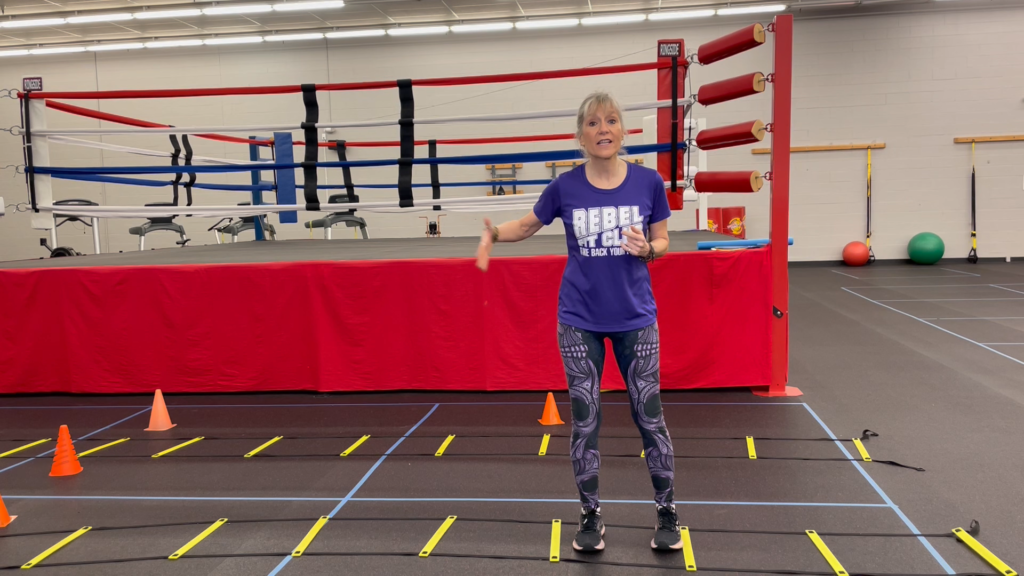
When it comes to falls, everyone wants to avoid them at all costs. Sideways, or lateral, falls are very common with Parkinson’s. People get their feet tangled up or they step on their own foot. You may not be aware your feet are getting closer and closer to each other until you have a fall. This is a PD pattern, and it must be corrected at every chance.

With intentional footing and lots of practice, you can minimize these dangerous lateral falls. We are sticklers for form in our virtual and gym classes, and we will make sure you are using the correct technique. It’s extremely important.

Continue reading “To Prevent Parkinson’s Falls, Try This Lateral Walk Technique”
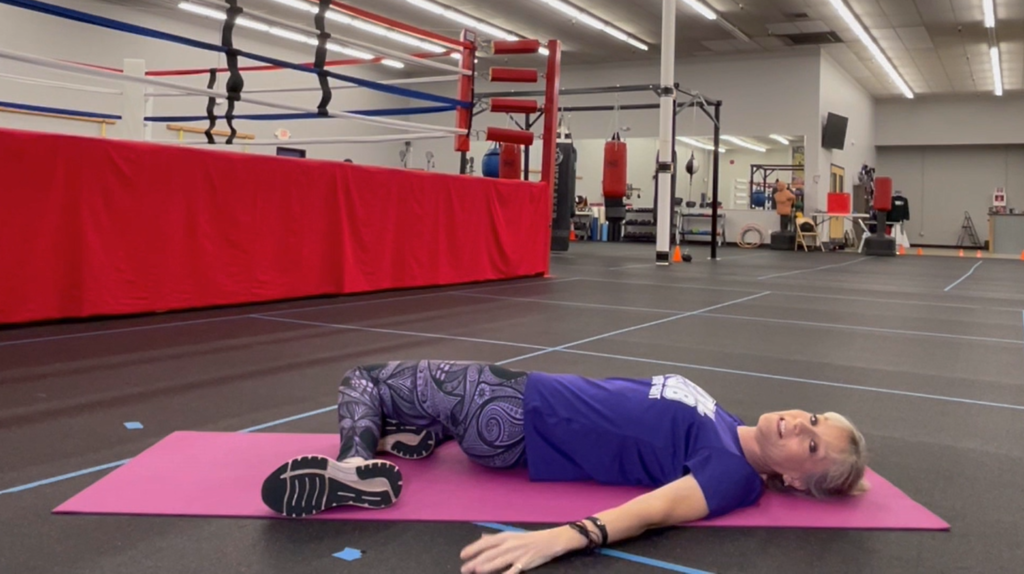
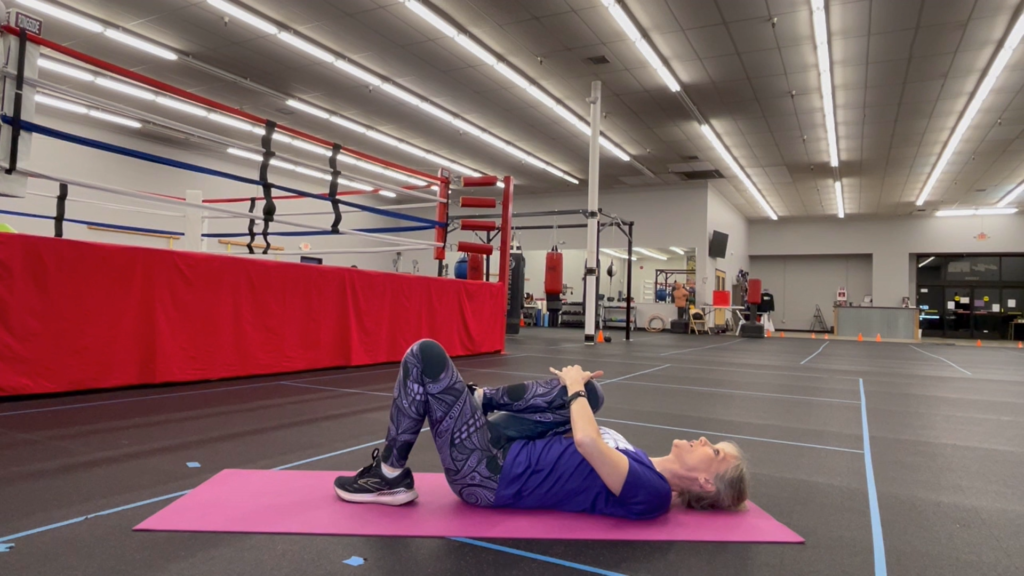
Do These Morning Bed Stretches for People with Parkinson’s Part 4

We are ready to move down to the lower back and hips. If you missed parts one through three of my bed stretches series, the video links are at the bottom of this article!

If you have Parkinson’s, you must get your body warmed up and primed for movement before getting out of bed. Stretching and moving in bed first thing in the morning makes it easier to get around the rest of the day. More importantly, it could prevent an accidental fall when you stand up or start to walk.

We get really stiffened up throughout the night, and many people with Parkinson’s have a bit of time before their first dose of medication takes effect. Of course, it’s easier to move during your medication’s “on” period, but you can use this waiting time to do some easy stretches.

Let’s work on this together. I’m only giving you a couple of exercises at a time. After you get used to doing them slowly, you’ll be more likely to remember how to do them. Let’s chunk it out!

Continue reading “Do These Morning Bed Stretches for People with Parkinson’s Part 4”

Do These Morning Bed Stretches for People with Parkinson’s Part 3

Hopefully you’ve watched parts one and two of my bed stretches series. If you missed them, the links are at the bottom of this article!

Getting your body warmed up and primed for movement makes it easier to get around the rest of the day. Even more importantly, it could prevent an accidental fall when you stand up or start to walk.

We get really stiffened up throughout the night, and many people with Parkinson’s have a bit of time before their first dose of medication takes effect. Of course, it’s easier to move during your medication’s “on” period, but you can use this waiting time to do some easy stretches.

Let’s work on this together. I’m only giving you a couple of exercises at a time. After you get used to doing them slowly, you’ll be more likely to remember how to do them. Let’s chunk it out!

We left off with the upper body, shoulders, upper back, and opening the chest. Now we will move down to the lower back and hips.

Continue reading “Do These Morning Bed Stretches for People with Parkinson’s Part 3”

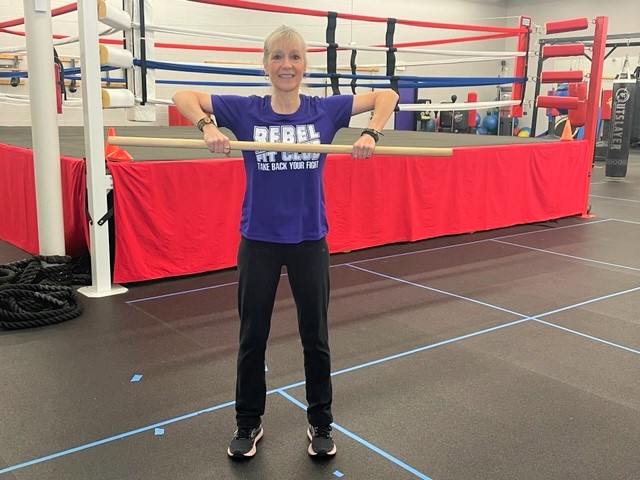
Do You Have Parkinson’s Shoulder Stiffness? Try the Advanced Stick Row!

Parkinson’s disease can stiffen the muscles in your chest and shoulders, which leads to weaker back muscles and a stooped posture. Routinely encouraging your shoulders, shoulder blades, and spine to move is crucial to counteracting stooped posture and relieving the pain associated with it. Maintaining an upright posture will also promote normal breathing and improve your heart and gut function.

Bringing your elbows up while relaxing your shoulders is difficult for most people with Parkinson’s. This advanced “Upright Row Stick Stretch” is great for stretching your shoulders and upper back and regaining valuable range of motion.

Continue reading “Do You Have Parkinson’s Shoulder Stiffness? Try the Advanced Stick Row!”

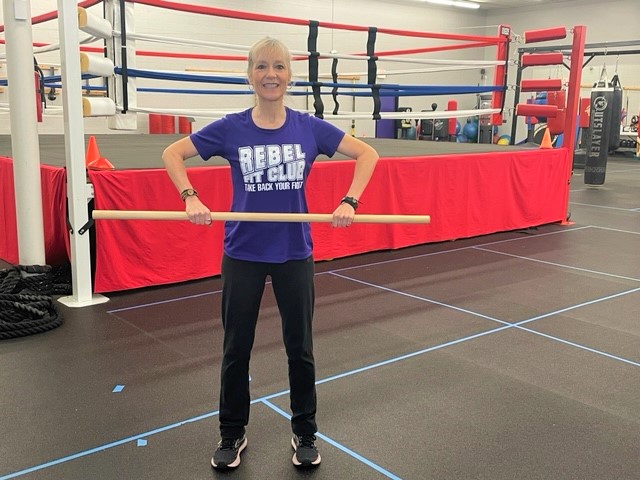
Do You Have Parkinson’s Shoulder Stiffness? Do the Stick Row!

Parkinson’s disease can stiffen the muscles in your chest and shoulders, causing you to stoop forward. With a stooped posture, your shoulder blades can’t sit or glide normally on the ribs. This can result in pain in your upper back and shoulders.

Routinely encouraging your shoulders, shoulder blades, and spine to move is crucial to counteracting stooped posture and relieving the pain associated with it. Maintaining an upright posture will also promote normal breathing and improve your heart and gut function.

Bringing your elbows up while relaxing your shoulders is difficult for most people with Parkinson’s. Your shoulder blades (scapula) and arm bones (humerus) must work together in a simultaneous, synchronized pattern.

This basic beginner “Upright Row Stick Stretch” is great for stretching your shoulders and upper back and regaining valuable range of motion.

Continue reading “Do You Have Parkinson’s Shoulder Stiffness? Do the Stick Row!”