fbpx

Catching Your Toes When You Walk? Watch This To Improve Your Parkinson’s Gait

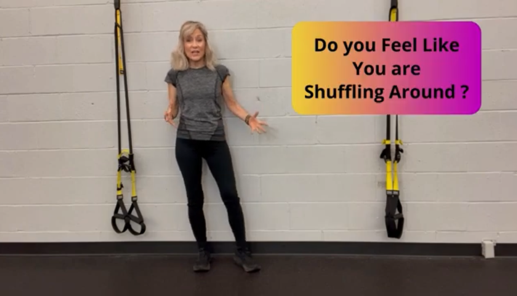
Often, people with Parkinson’s have a hard time picking up their toes and feet while walking. Instead, they shuffle along, which leads to falls. This is a neurological symptom, but the result of not picking up your toes is the weakening of the tibialis anterior muscle (located on your shin). If you don’t use it, you start to lose it.

Continue reading “Catching Your Toes When You Walk? Watch This To Improve Your Parkinson’s Gait”

You Are Probably Doing This Thing That Makes Your Parkinson’s Balance Worse

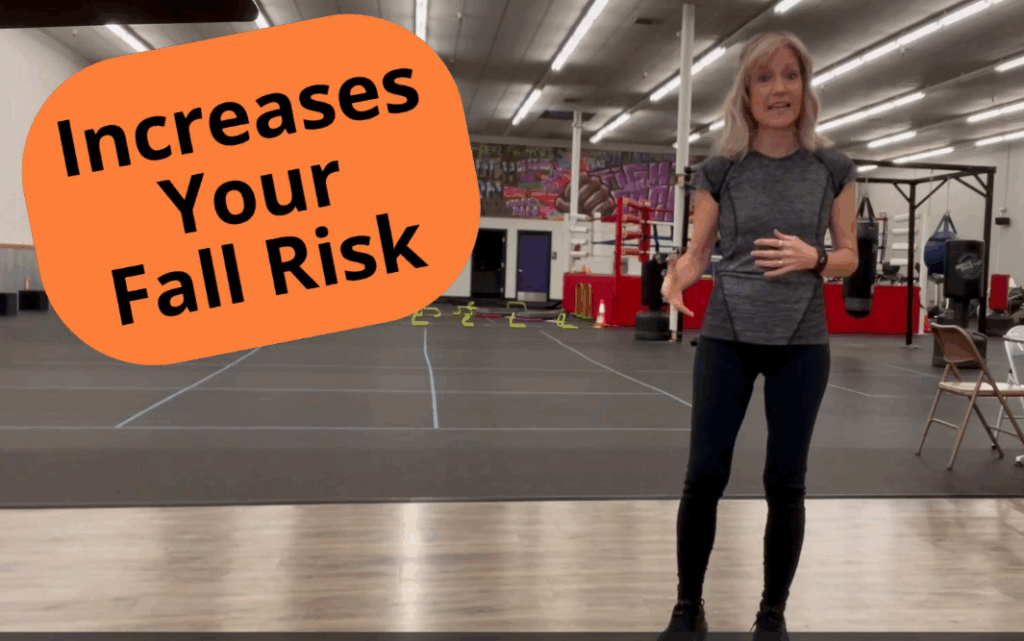
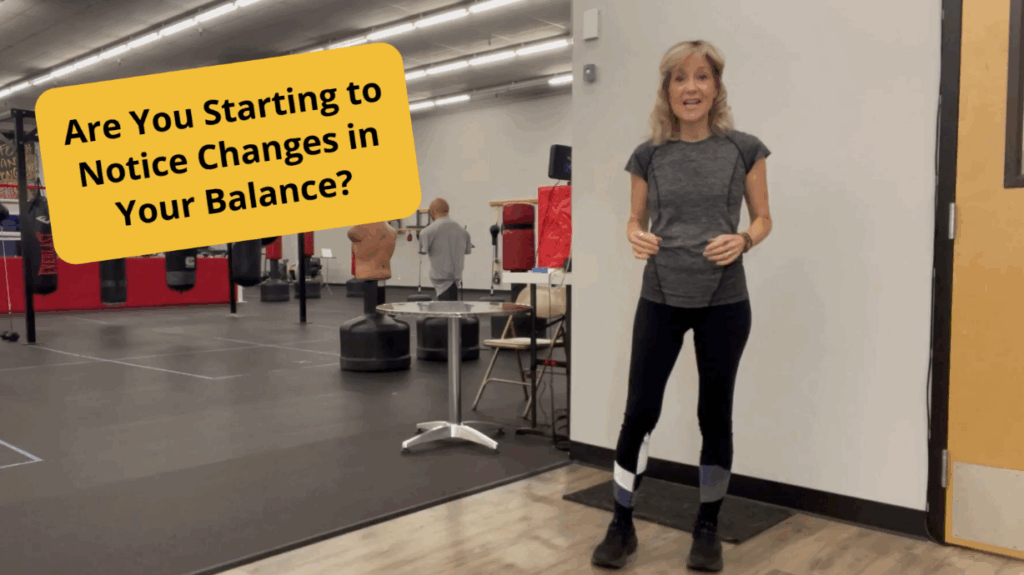
Balance is a complex interaction between many systems in the human body. While walking, we should be turning our head and using our eyes and ears to tell us where we are in space. This is called proprioception. If you are afraid of falling, you may be looking at the ground to see if you are going to trip over something. This habit of looking down while walking puts you at greater risk of falling.

Continue reading “You Are Probably Doing This Thing That Makes Your Parkinson’s Balance Worse”

Parkinson’s Affecting Your Balance? Challenge Is the Key to Improvement

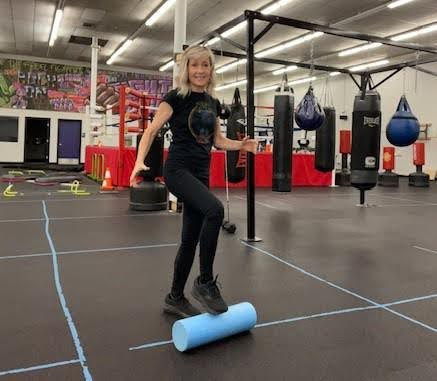
Parkinson’s affects balance, leading to postural instability, gait issues, and an increase in falls. Balance issues can severely impact your quality of life, and a bad fall can be devastating.

Continue reading “Parkinson’s Affecting Your Balance? Challenge Is the Key to Improvement”

Seated Workouts Causing Hip Pain? Do These Exercises To Keep Moving

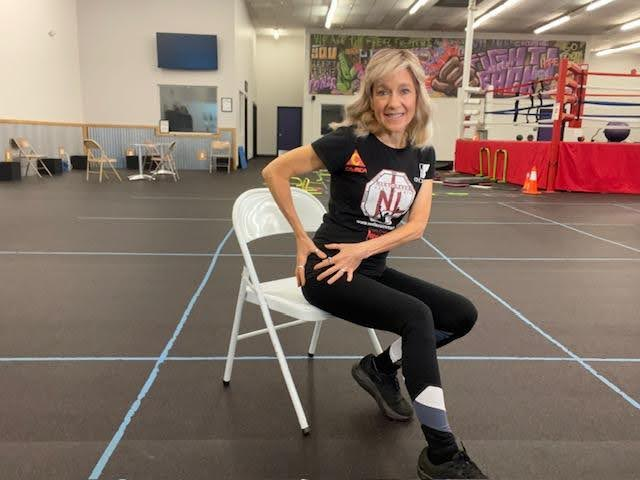
Hip pain while doing seated exercises can stem from a variety of causes, including tight hip flexors from Parkinson’s, arthritis, or overuse issues like tendonitis or bursitis. Don’t stop working out—instead, find exercises that work your brain and body without irritating sensitive hips.

Continue reading “Seated Workouts Causing Hip Pain? Do These Exercises To Keep Moving”