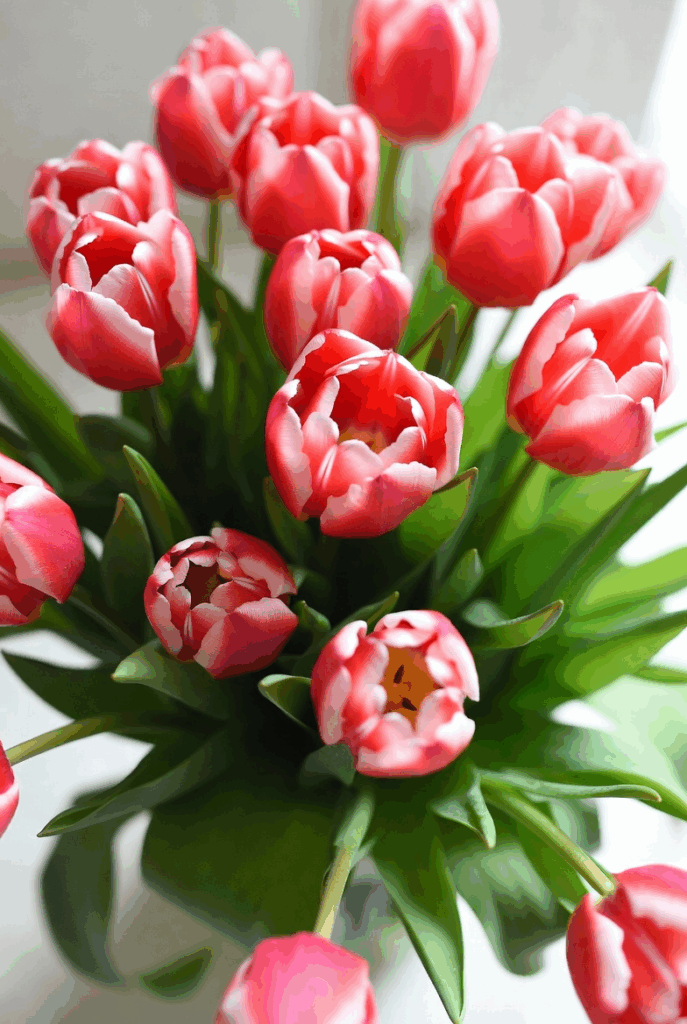
April is Parkinson’s Disease Awareness Month—a time to learn, share, and show support. Over the years, awareness has grown through meaningful symbols and community-driven efforts, yet many people still don’t recognize them. When I proudly wear my tulip pin, I’m often asked what it represents.
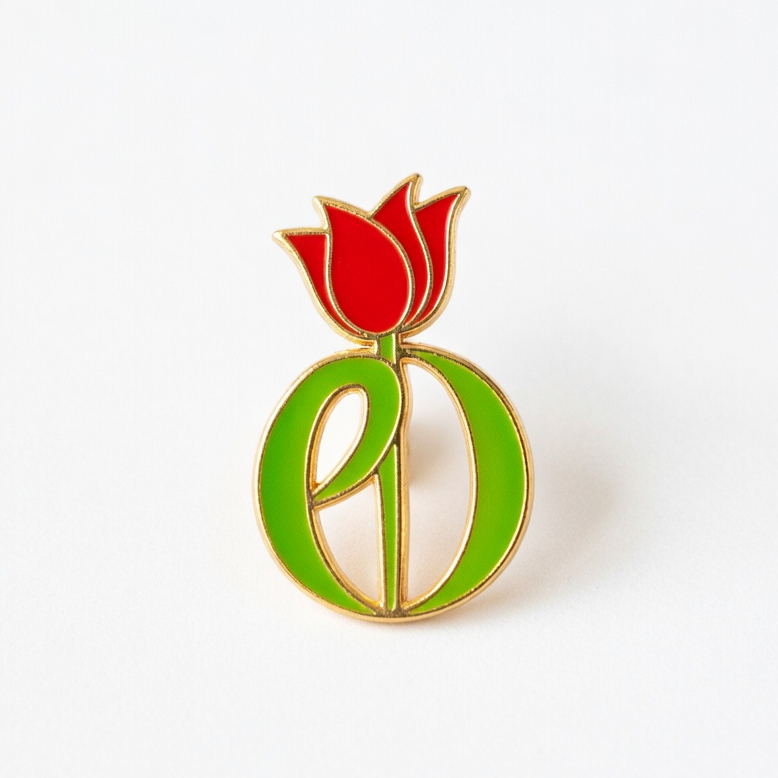
This stylized red tulip, with leaves shaped like the letters “P” and “D”, was designed by Karen Painter, who has early-onset PD. Karen, along with Jean Burns, was behind the movement for it to become the nationally recognized symbol for Parkinson’s Disease Awareness.
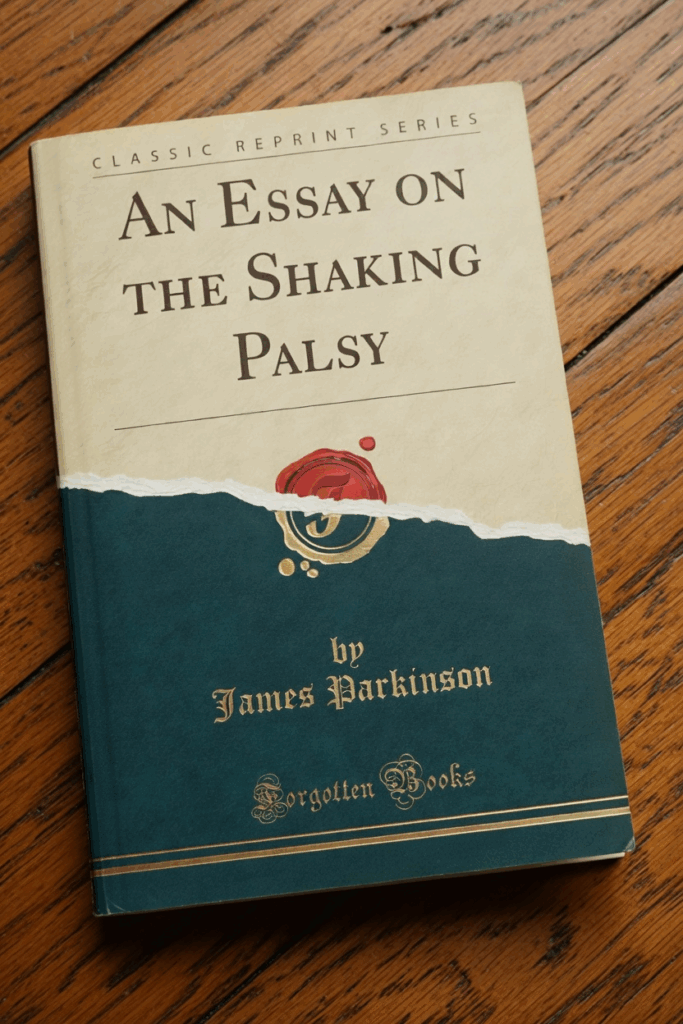
World Parkinson’s Day was established on April 11, 1997, to commemorate the birthday of Dr. James Parkinson, the man who first formally identified the disease in 1817 (over 200 years ago!) in his work “An Essay on the Shaking Palsy.”
The red tulip was officially adopted as the worldwide symbol of PD at the 2005 global Parkinson’s conference in Luxembourg. It represents the specially cultivated “Dr. James Parkinson” tulip—bright red with white accents—first created in 1980 by Dutch horticulturist J.W.S. Van der Wereld, who had Parkinson’s himself.
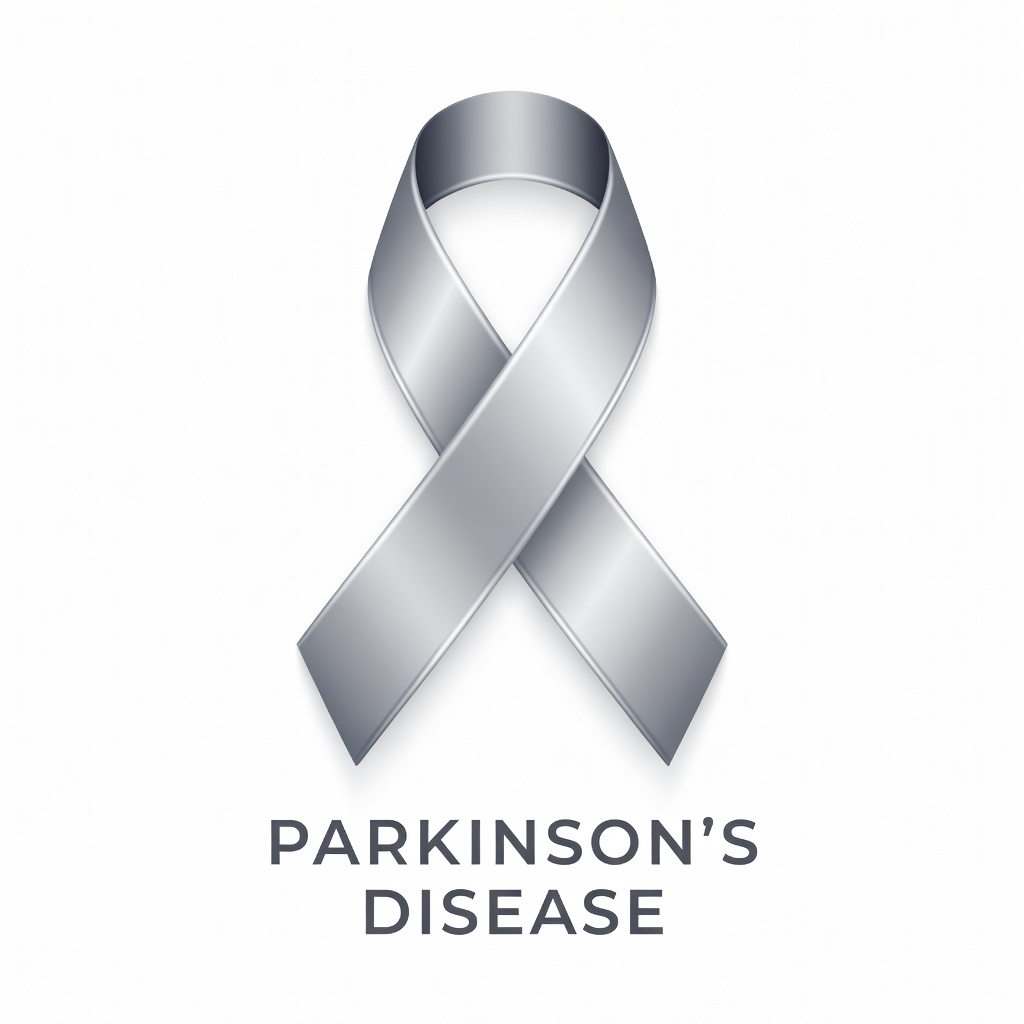
The official awareness ribbon for Parkinson’s disease is silver (or gray). This color was chosen to represent the brain and neurological function, as Parkinson’s is a neurological disorder. It also symbolizes hope, clarity, and dignity in the face of a complex condition.

Stand Up to Parkinson’s became a World Parkinson’s Awareness activity to highlight the day-to-day movement challenges people with Parkinson’s face. Organizations and advocates began using the Sit-to-Stand exercise during awareness events to demonstrate symptoms like stiffness, slowness, and balance issues. Over time, it evolved into a global participatory activity to record and share the number of Sit-to-Stands each person could do in 24 hours on April 11. This effort raises awareness, encourages movement, and unites the community. There are many ways to do it—try it yourself!

The worldwide Spark the Night event grew out of Parkinson’s awareness efforts over time, evolving from community walks and fundraisers into meaningful nighttime events. While blue isn’t the official Parkinson’s color, it is often used in nighttime awareness campaigns because it stands out in the dark and symbolizes calm, hope, and unity. Over time, organizers adopted blue lighting, glow sticks, and illuminated displays to create a powerful visual impact and a shared sense of connection.

“Parky the Raccoon” is not an official global mascot for Parkinson’s disease, but rather a community-created symbol used in some awareness efforts. It was developed to bring a friendly, approachable face to Parkinson’s advocacy—helping to make the topic less intimidating and more engaging, especially for outreach, education, and social media. Parky gained recognition through sharing within the Parkinson’s community.
As we move from the bright promise of the red tulip to the glowing torchlight of Spark the Night, Parkinson’s awareness continues to evolve through meaningful symbols, creative community efforts, and shared determination. These icons do more than raise visibility; they foster connection, reduce stigma, and remind us that no one faces this disease alone. This April and beyond, whether you wear a tulip pin, join a community event, or simply learn about and share these symbols, every small action helps light the path toward greater understanding, better treatments, and ultimately a cure. Together, we turn awareness into hope.
💜 Coach Kimberly
Ready to take back your fight?
Contact me to get started in Kimberly Berg’s Rebel Fit Club Parkinson’s Boxing classes today. We have online workouts, too!
Subscribe now to get more tips and exercises for Parkinson’s delivered right to your inbox!